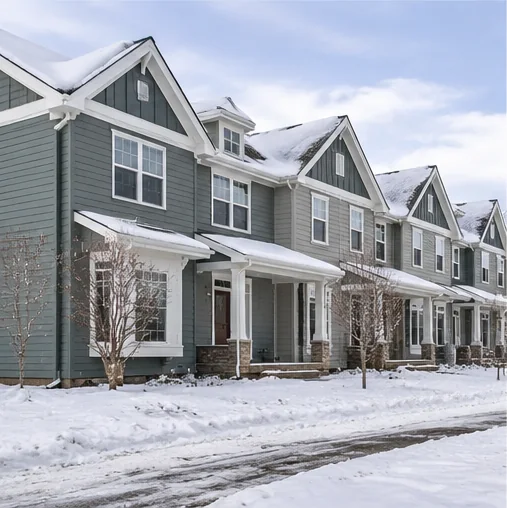
What a Home Inspection Includes in Glencoe
A system-by-system walk through exactly what we check on a Glencoe home inspection.
If you are buying a home in Glencoe, the inspection is your one chance to understand the house before the keys change hands. But "home inspection" means something specific, and it helps to know exactly where the lines are drawn before inspection day. A standard inspection here in the McLeod County seat is a visual, non-invasive evaluation of the home's major systems and components, performed against a recognized standard of practice. It tells you the condition of what an inspector can safely see and reach. It is not a code-compliance certificate, an appraisal, or a guarantee. This guide walks through what is actually included when we inspect a Glencoe home, what falls outside that scope, and which local conditions, from Buffalo Creek drainage to aging farmstead systems, deserve special attention along the US-212 corridor.
In this guide
The Core Scope: What a Standard Inspection CoversOlder Glencoe Housing Stock: Electrical Panels, Wiring, and HeatingCold-Climate Concerns: Roofs, Attics, Ice Dams, and InsulationPrairie Soils, Buffalo Creek, and the FoundationWhat Is Not Included: Wells, Septic, Radon, and OutbuildingsThe Report and How to Use ItThe Core Scope: What a Standard Inspection Covers
A standard home inspection in Glencoe is built around the home's major systems, and we evaluate each one visually and by normal operation rather than by taking it apart. On a typical inspection that means the roof covering, flashings, gutters, and visible structure; the exterior cladding, trim, windows, and grading; the foundation and any accessible framing in the basement or crawlspace; the attic, insulation, and ventilation; the electrical service, panel, and a representative sample of receptacles, switches, and fixtures; the heating and cooling equipment; the plumbing supply, drain, and fixtures; and the interior, including floors, walls, ceilings, stairs, and installed appliances where present. We operate normal controls, run faucets, cycle the furnace, and open a sample of doors and windows. The result is a written report describing the condition of each component, noting deficiencies, safety concerns, and items nearing the end of their service life. What matters most for older Glencoe housing stock is that this is a snapshot of present, observable condition on the day of the visit. It is thorough within the limits of a visual method, and it is designed to flag the things that cost real money or affect safety, so you can make an informed decision before closing rather than after.
Older Glencoe Housing Stock: Electrical Panels, Wiring, and Heating
Much of Glencoe's residential core is made up of homes that have served families for decades, and that history shows up most often in the electrical and heating systems. We pay close attention to the service panel, because we still encounter fuse boxes, undersized services, double-tapped breakers, and brands of panel with known reliability concerns. We document the service size, grounding, and any visible aluminum branch wiring or older cloth-insulated conductors, all of which influence safety and insurability. Heating gets the same scrutiny. Many homes here run on furnaces that have aged past their efficient years, and on gas units we look for signs of a compromised heat exchanger, improper venting, and a service history that has lapsed. A furnace that still produces heat can still be unsafe or near failure, and replacing one is a significant cost a buyer deserves to anticipate. We also note the water heater's age, venting, and relief valve. None of this requires us to predict the future; it requires us to report what the equipment's condition, age, and installation are telling us today, so you can budget for a panel upgrade or furnace replacement instead of being surprised by one in a Minnesota January.
Cold-Climate Concerns: Roofs, Attics, Ice Dams, and Insulation
Central Minnesota winters put a particular kind of stress on a house, and a Glencoe inspection looks hard at the systems that manage cold, snow, and meltwater. On the roof we evaluate the covering's condition and remaining life, flashing details, and signs of past leakage. Just as important is what is happening underneath. In the attic we check insulation depth and coverage, the air sealing between living space and attic, and the ventilation path from soffit to ridge. That combination is what determines whether a home is prone to ice dams, the ridge of ice that forms at the eaves when escaping heat melts snow that then refreezes at the cold overhang. We look for the telltale evidence: stained sheathing, matted or wind-washed insulation, rusted fasteners, frost accumulation, and water staining at exterior walls and ceilings near the eaves. We also note bath and kitchen fans that vent into the attic instead of outside, a common moisture source that drives mold and rot in this climate. These are not exotic problems, but they are expensive when ignored, and identifying weak insulation or ventilation early lets you correct the cause rather than repeatedly chasing the symptoms.
Prairie Soils, Buffalo Creek, and the Foundation
Glencoe sits on the central Minnesota prairie, on glacial-till soils, with Buffalo Creek running along the south side of town as part of the South Fork Crow River watershed. Water and soil movement are the foundation's two biggest adversaries here, so grading and drainage get real attention during the inspection. We look at how the ground slopes away from the home, whether downspouts discharge well away from the walls, and whether window wells, patios, or driveways are pitching water back toward the foundation. Inside, we examine the accessible foundation walls and floor for cracking, bowing, moisture staining, efflorescence, and signs of past seepage, all of which are more common in low-lying lots and homes nearer the creek. Frost movement matters too: shallow footings, stoops, and attached structures can heave over repeated freeze-thaw cycles. We report what we can see and reach, and we are honest about the limits, because finished basements, stored belongings, and wall coverings can conceal conditions. Where evidence suggests an active or structural problem rather than ordinary settlement, we say so plainly and recommend evaluation by a foundation or drainage specialist before you commit.
What Is Not Included: Wells, Septic, Radon, and Outbuildings
This is where honesty serves you best. A standard inspection is visual and non-invasive, and several things common to Glencoe and rural McLeod County fall outside that scope unless you specifically arrange them. On properties at the edges of town and on surrounding farmsteads, private wells and septic systems are typically not part of the base inspection. These are specialized evaluations, often performed by separate licensed professionals, and a septic compliance inspection in particular is its own process; do not assume the home inspection covers either one. Radon is also a separate, contracted service. The Minnesota Department of Health recommends every home be tested regardless of age or location, because elevated indoor radon is common across this region, and testing requires placing equipment for a measured period rather than a walk-through observation. Detached outbuildings, barns, sheds, and pole buildings on farmstead properties are generally excluded from a standard inspection as well, as are buried components, anything not safely accessible, and code-compliance certification. We will tell you up front which of these apply to your property and which add-on services make sense, so there are no gaps you discover after closing.
The Report and How to Use It
Everything we observe is delivered in a written report, usually with photographs, organized system by system, and it is meant to be read and acted on rather than filed away. A good report does three things: it describes the condition of each component, it distinguishes ordinary wear and maintenance items from safety concerns and major expenses, and it recommends next steps, including where a specialist evaluation is warranted. For a Glencoe buyer, that distinction is the whole point. A worn roof, an aging furnace, a panel that needs updating, and grading that pushes water toward the foundation are very different conversations than a loose railing or a dripping faucet, and the report lets you negotiate repairs or credits, plan a maintenance budget, and walk in with eyes open. The report is not a to-do list the seller must complete, and it is not a pass-or-fail grade; it is information. We encourage you to attend the inspection, ask questions on site, and use the findings to make a clear-eyed decision, whether that means proceeding, renegotiating, arranging follow-up evaluations on the well, septic, or radon, or in rare cases walking away.
Quick checklist
- Confirm whether the inspection covers a private well and septic system, or whether those are separate services you need to schedule
- Ask for radon testing as an add-on, since the Minnesota Department of Health recommends every home be tested and it is not part of a standard inspection
- Verify whether detached barns, sheds, or pole buildings on a farmstead property are included or excluded
- Note the age and condition of the electrical panel and watch for fuse boxes, undersized service, or older branch wiring
- Have the furnace, heat exchanger, venting, and water heater evaluated, and budget for replacement if they are near end of life
- Check attic insulation depth and soffit-to-ridge ventilation as your defense against ice dams and winter moisture
- Inspect grading, downspout discharge, and foundation walls for drainage and seepage, especially on lower lots near Buffalo Creek
- Confirm bath and kitchen exhaust fans vent to the exterior rather than into the attic
- Treat the written report as information for negotiation and budgeting, not a pass-or-fail grade or a seller repair list
- Plan to attend the inspection so you can ask questions on site and understand the findings firsthand
Ready to know exactly what you are buying in Glencoe? Whether it is an older home in town or a farmstead at the rural edge of McLeod County, we will walk every accessible system and give you a clear, honest report you can actually use. Call our office to talk through your property and the add-on services that make sense, from radon to well and septic referrals, or build your free instant quote online in under a minute. Get the facts before you close, not after.
Run Your Instant QuoteSee your price in under a minute.
Build your quote and book your Glencoe-area inspection online — or call (507) 721-0818.